

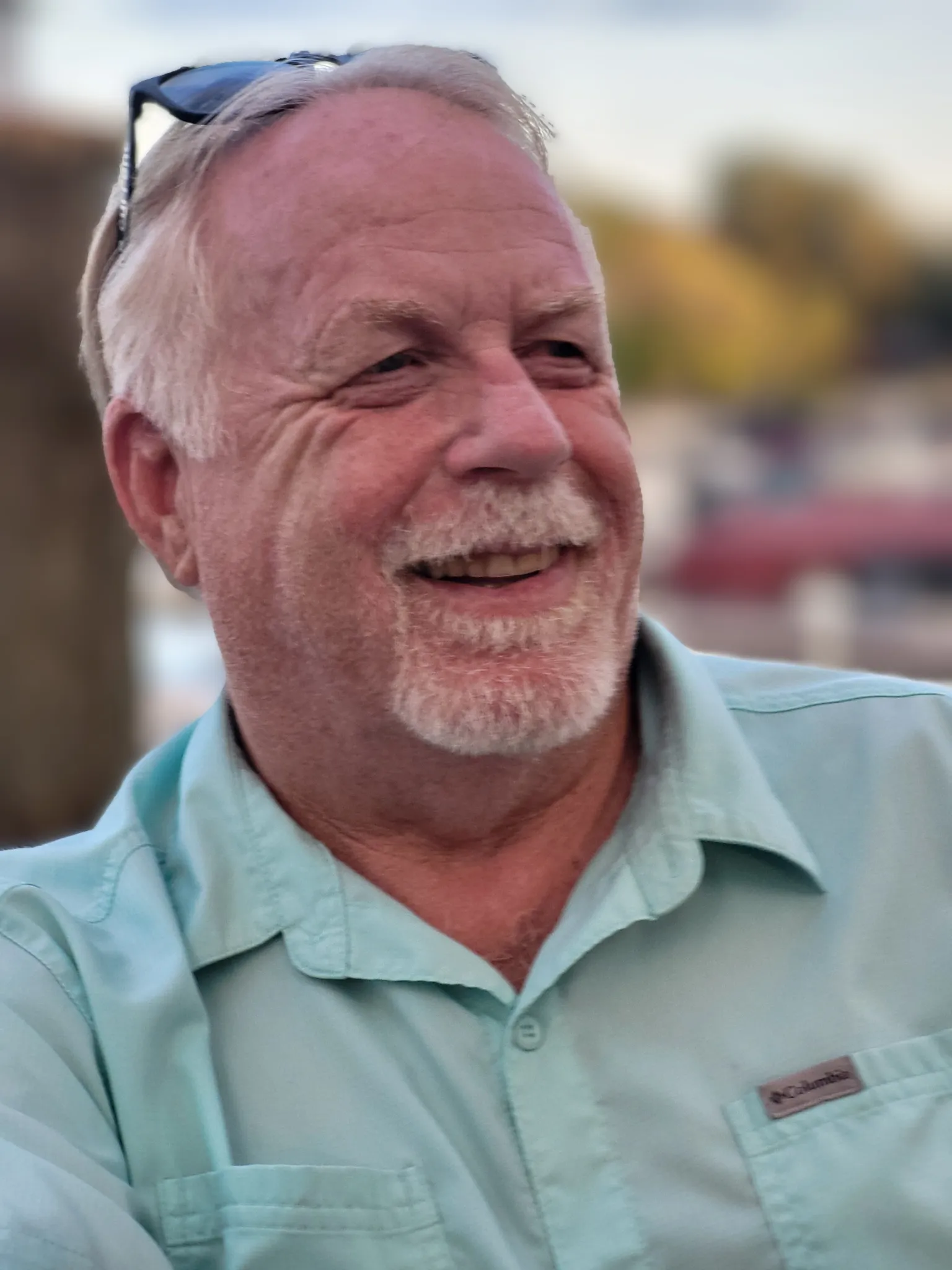
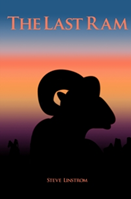
My incredibly inspiring guest for October is Minnesota author Steve Linstrom. (https://stevelinstromwriter.com) Always a voracious reader, Steve envisioned becoming the next Ernest Hemingway (except for the part about being a jerk to women), but just never found a way to get started. After college, he worked for a national food company in the Midwest, eventually rising to Regional Vice President. Steve retired from the corporate world and started a writing career at age 52, eventually going back to school and earning a Master’s Degree in English Studies, publishing several short stories and two novels. After fully retiring as an Adjunct English Instructor at Southwest Minnesota State University, Steve joined a writing group at the Riverview Library in St. Paul, providing him a wonderful prompt to revive old projects and put out new material.
Tell Me Your Story
Steve Linstrom
My writing story begins in a doctor’s office, holding my wife Molly’s hand.
“I’m afraid it’s cancer,” the doctor said. “Stage Four.”
I’d done my research and knew what that meant. Molly’s cancer had an average five-year survival rate of 10% to 15%.
That was over twenty years ago, and I can still feel my guts hardening to stone. We both knew at that specific moment that neither of our lives would be the same again. I was 46.
We went through a great deal over the final years of Molly’s life, most of which I won’t cover here. Suffice to say, she met the challenge with grace, courage and dignity and beat the odds to live with the cancer for four years.
I still don’t have it in me to write that story. Perhaps I never will.
But that day at the doctor’s office is what made me a writer. Up until that point, I’d never written any fiction of any kind. I’d always been a voracious reader, scouring our house for any book I could find and haunting the library. Like many addictive readers, I had dreams of living the life of Ernest Hemingway (except for the parts about being a jerk to women). However, after reading one of his stories, I’d get all inspired, scribble out a paragraph or two and then hold them up to next his. They didn’t appear to even be in the same language.
I adopted the ‘maybe someday’ attitude about writing. Facing mortality makes you realize that someday needs to be today because you never know what you’ll face tomorrow.
The problem was that I never talked to anyone about reading or writing literature. I’d been a successful high school and collegiate multi-sport athlete in the small pond that is South Dakota and I was terrified of not being good at things. I never took a creative writing class. I stepped away from my studies in economics and mathematics to take a few required literature classes but rarely spent any time discussing them. Jocks don’t talk about books in locker rooms, at least not in 1970s South Dakota.
As I entered the workplace and created careers in state government and then the corporate world, I ran into much the same issue. I recall a fellow member in my corporation’s Senior Executive Development Program proudly proclaiming that he hadn’t read a book since he graduated from college.
It took the gut punch of my wife’s cancer to finally break something loose in me. I filled the incredibly boring times under the fluorescent lights in doctor’s office waiting rooms and sitting on the cold hard chairs in chemo infusion rooms by scribbling out stories to bring a smile to Molly’s face. I wrote a little about anything and everything. Everything but cancer.
I quickly recognized the need to learn craft and took some online courses. My writing began to come to life. I also got a chance to share with other writers and to comment on their work. I found that my writing wasn’t half bad and enjoyed the challenge to get better.
By the time cancer took Molly from us, I’d kind of lost my taste for the corporate world. I realized that every great idea, every innovation, every success that I’d put in place to make a name for myself, was slowly being altered, adjusted, and replaced by nerds just like me who were trying to make a name for themselves. My stories, however, were mine and whether they were good, bad, or terrible, they were mine forever. Mortality forces you to consider legacy.
I left the corporation at age 52 and decided to get serious about becoming a writer. I clearly had a great deal to learn and decided to get a master’s degree. My economics and mathematics training did not provide sufficient background to get into the program I’d chosen, so I had to take some undergraduate classes at the regional state university in the town where I lived. As I sat in class with kids younger than my youngest son, I noted a two seat buffer zone around the old guy sitting in the middle of the classroom. In the course of the semester, I was able to eliminate the buffer zone, participate in after class discussions and even got invited into a study group. They did not invite me to go to Florida on Spring Break, but that’s probably for the best.
By this time, I was ever so fortunate to have become remarried to a loving and supportive woman, Steph, who continues to put up with my journeys into literature nerdom with minimal eye rolling and always a supportive smile.
I started my graduate work a large university 200 miles away, commuting once or twice a week. They had programs supporting both a Master of Arts in Literature and a Master of Fine Arts and I got accepted to both. I chose to get the MA though I took courses from both programs. I am a firm believer that the study of literature improves creative writing and vice versa. I wrote my thesis on the “Integration of Literature into the Online Creative Writing Classroom.” To this day, whenever I find my writing getting stale or generic, I invoke the Bradbury Challenge for a few weeks, reading a short story, a poem and an essay daily.
Upon graduation I was successful in getting some short stories published and then found a small press publisher for my first novel. I added a second the next year and found moderate success as a regional small press author. My work got enough attention that if I possessed that elusive, undefinable, special sauce that differentiates bestselling authors from the rest of us, someone would have noticed. I think it’s kind of like the ability to hit a major league curveball. You either have it, or you don’t. But if you don’t get into the game seriously, you’ll never know.
I took a position teaching writing at the regional state university that I had attended just a few years before and was surprised how much I enjoyed it. Unfortunately, it did not leave much time for (or I didn’t put much time into) my own writing. Like many things, Covid took all of the fun out of teaching and I retired.
Steph retired as well, and we downsized and moved to the city. I happened upon a writers group starting up at a little local library. The group has reinvigorated and restored my interest and love of writing. I’m getting two or three stories published a year and am writing better than ever. I’ve revived many of the old projects that I’d abandoned and will be putting out a second book of short stories and a third novel in the summer of 27.
Sometimes I wonder if I’d had the courage and initiative to pursue being a creative writer earlier, my writing life would have been different. Perhaps that hard right turn forced on us in the doctor’s office over twenty years ago was the only thing that could jar my creative writing abilities. Regardless, the important message is: if you have the desire and passion to create, it’s never too late to start.
Writing is fun again.
More Places to Go
Donis on Facebook
Type M for Murder